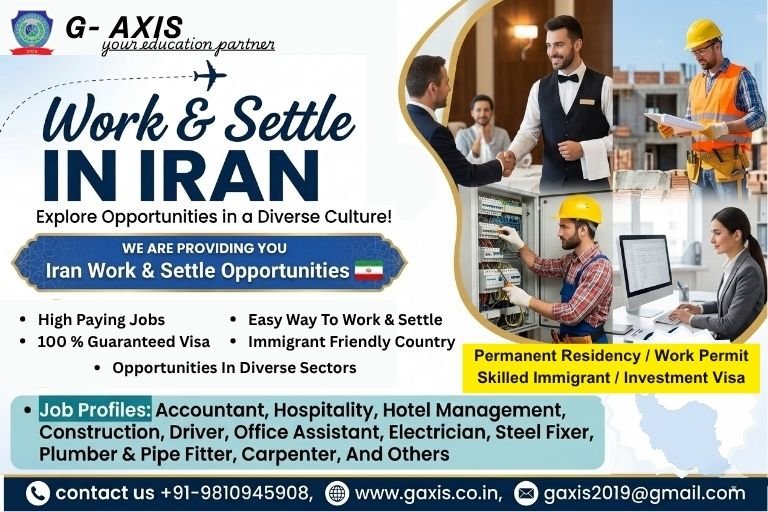
Iran is a large country situated in the Middle East region of Western Asia. It is an ancient nation with a rich history; for centuries, it was known as ‘Persia’ before officially changing its name in 1935. Today, Iran is governed as an ‘Islamic Republic,’ meaning its legal and political systems are largely based on Islamic law and led by religious figures. Tehran, the capital and largest city, serves as the country’s primary hub for commerce, culture, and government.
Geographically, Iran is highly diverse, featuring rugged mountains, vast deserts, and extensive coastlines along the Caspian Sea to the north and the Persian Gulf to the south. The country holds global significance due to its immense reserves of crude oil and natural gas; these resources form the backbone of its economy. The majority of the population is ethnically Persian, speaks Persian (Farsi), and follows Shia Islam. Iran is renowned worldwide for its historic architecture, exquisite hand-woven carpets, and delicious cuisine featuring saffron, rice, and kebabs.
Whether Iran is a safe place to settle depends largely on your nationality, background, and your ability to cope with significant geopolitical and economic instability.
Although incidents of violent street crime are relatively low, international governments strongly advise against settling in or even visiting the country due to the deteriorating security situation. Iraqis constitute the largest group of visitors to Iran; hundreds of thousands of Iraqi citizens cross the border into the country annually. Large numbers of people from other neighboring countries—such as Afghanistan, Pakistan, Azerbaijan, and Turkey—also visit frequently.
1. Official name: Islamic Republic of Iran
2. Location: Western Asia, bordered by the Caspian Sea to the north, the Persian Gulf and Gulf of Oman to the south, and neighbors like Iraq, Turkey, and Afghanistan.
3. Capital: Tehran
4. Currency: Iranian Rial (IRR)
5. Languages: Persian (Farsi) is the official language; regional languages include Azeri, Kurdish, Luri, and Balochi.
6. Economy: A state-influenced mixed economy driven heavily by major petroleum and natural gas reserves, petrochemicals, and agriculture.
7. Total population: Approximately 93.2 million people.
1. Rich Cultural Heritage: Living in Iran means immersing yourself in one of the world’s oldest continuous civilizations. You will be surrounded by stunning UNESCO World Heritage sites, breathtaking ancient architecture like Persepolis, and a society that deeply values poetry, art, and classical music.
2. Low Cost of Living: Foreign currency holds immense purchasing power in the local market. Housing, public utilities, fresh groceries, and daily transportation are exceptionally affordable compared to Western nations, allowing for a comfortable lifestyle on a modest budget.
3. Unmatched Hospitality: The Iranian tradition of Taarof and a genuine warmth toward foreigners mean newcomers are welcomed with open arms. Expats routinely report that locals go out of their way to offer help, directions, and invitations into their homes for meals.
4. World-Class Cuisine: Iranian food is a diverse, healthy, and incredibly flavorful culinary art form. Settling here gives you daily access to fresh saffron, slow-cooked stews like Ghormeh Sabzi, premium pomegranates, and a massive variety of fresh, flat flatbreads baked daily.
5. Diverse Landscapes and Climate: The country features an incredible geographical variety that caters to all nature lovers. You can ski down the snow-capped Alborz mountains in the morning and travel south to hike through the warm, Martian-like deserts or relax by the Caspian Sea coast in the afternoon.
6. High-Quality Healthcare: Iran is a major hub for medical tourism due to its highly skilled physicians and modern medical facilities. Expats have access to advanced surgical procedures, dental work, and specialized treatments at a fraction of the cost found in Europe or North America.
7. Strategic Geographic Location: Situated at the crossroads of Europe, Asia, and the Middle East, Iran is a fantastic base for avid travelers. The country boasts well-connected domestic airports and trains, making weekend trips to neighboring regions highly accessible and affordable.
8. Strong Focus on Education: Education is deeply revered in Iranian culture, resulting in a highly literate and intellectually curious population. Major cities host prestigious universities and a growing number of international schools, creating a stimulating environment for families and academics.
9. Thriving Art and Literature Scene: Creative minds will find endless inspiration in Iran’s active contemporary art world. From international award-winning cinema and independent galleries to bustling traditional bazaars filled with handmade Persian rugs and intricate handicrafts, creativity is woven into daily life.
10. Robust Public Infrastructure: Major urban centers like Tehran, Isfahan, and Shiraz feature highly developed public transit systems. Modern, affordable metro networks, expansive highway systems, and reliable high-speed intercity buses make navigating the country simple and stress-free.
Iran issues over 10 primary types of visas categorized by the Ministry of Foreign Affairs based on the purpose of travel, including tourist, business, work, and student visas.
Application Steps
1. Visit the official Iran eVisa Portal and select the option to start a new visa application.
2. Choose your nationality, passport type, and trip purpose.
3. Fill out the online form with exact personal, occupational, and travel itinerary details.
4. Upload a digital passport-style face photo and a clear scan of your passport’s first page.
5. Submit the form to receive an application reference number or tracking code.
6. Pay the designated visa fee online or choose to pay at your designated collection point.
7. Wait for approval notification via email, then print your Visa Grant Notice to board or collect your physical visa stamp.
Required Documents
1. Original passport valid for at least six months with minimum blank pages.
2. Digital face photograph meeting standard specifications.
3. Complete travel itinerary and flight reservations.
4. Proof of accommodation or hotel bookings.
5. Valid travel insurance policy covering medical costs.
A work permit in Iran is an official employment license issued by the Ministry of Cooperatives, Labour and Social Welfare that allows a foreign national to work legally in the country. Employers must sponsor the application, proving no local worker is available for the role.
1. Sponsorship: Foreign workers cannot apply on their own; an Iranian company or employer must submit the request.
2. Labor Market Test: Permits are usually granted only if no Iranian citizen has the same skills or education level.
3. Validity: Work permits and associated Type F work visas are typically issued for one year and require annual renewal.
4. Legal Residency: Workers must hold valid legal residency (such as a residence permit or Amayesh card) alongside the work permit.
Working in Iran presents a mix of unique cultural advantages and highly challenging economic realities. While the local population is widely celebrated for its rich hospitality and safe community environment, the professional landscape is heavily impacted by strict labor laws, economic sanctions, and severe inflation.
The most in-demand jobs in Iran :
Information Technology & Software
1. Software engineer
2. Mobile app developer
3. Backend engineer
4. Full stack developer
5. Computer programmer
6. Product manager
7. Quality engineer
8. Data analyst
9. Network administrator
10. Cyber security specialist
Engineering & Energy
1. Senior project engineer
2. Oil and gas technical specialist
3. Power and nuclear engineer
4. Facilities manager
5. Mechanical engineer
6. Electrical engineer
7. Chemical engineer
8. Mining engineer
9. Industrial engineer
Digital Business & Marketing
1. Digital marketing specialist
2. Business development manager
3. B2B sales expert
4. Account manager
5. Content strategist
6. SEO specialist
7. E-commerce manager
8. Financial analyst
9. Supply chain coordinator
Healthcare & Sciences
1. Pharmacist
2. General practitioner
3. Specialized nurse
4. Medical laboratory technician
5. Biostatistician
6. Biomedical engineer
7. Clinical researcher
8. Healthcare administrator
Skilled Trades & Services
1. Construction worker
2. Technical freelance repair specialist
3. Heavy machinery operator
4. Professional automotive mechanic
5. HVAC technician
6. Electrician
7. Welder
8. Logistics coordinator
9. Transport supervisor
10. Customer support representative
The overall cost of living in Iran is officially low when funded by foreign currencies like US Dollars or Indian Rupees, but the country is currently grappling with a severe macroeconomic crisis, 68.9% hyperinflation, and rapid currency devaluation.
The Financial Breakdown
1. Very cheap with foreign money: If you earn in US Dollars (USD) or Indian Rupees (INR), daily life in Iran is very affordable.
2. Monthly budget for one person: You need about $700 to $900 (₹59,000 to ₹75,000) per month to cover rent, bills, and food.
3. Cheap utilities: Electricity, water, heating, and petrol are heavily subsidised by the government and cost very little.
4. Expensive housing: Renting an apartment in the center of Tehran (the capital) is the biggest expense and takes up most of your budget.
Business in Iran relies on personal trust, polite manners, and deep respect for relationships. People prefer to know who they work with before signing any big deals.
Key Points of Business Culture
1. Taarof: Use polite and humble speech during talks to show respect to others.
2. Relationships: Build strong personal trust and friendships before talking about work.
3. Greetings: Shake hands firmly with men; wait for a woman to offer her hand first.
4. Meetings: Expect delays, as schedules are flexible and time is not rigid.
5. Communication: Speak in an indirect way to avoid saying a harsh “no.”
6. Hierarchy: Respect the top boss, because older leaders make all final choices.
7. Dress Code: Wear neat, formal clothes like suits for men and modest attire for women.
8. Gifts: Bring small items from your home country, but avoid expensive or luxury gifts.
9. Hospitality: Accept tea or food when offered, as refusal can cause hurt feelings.
Lifestyle in Iran is a unique blend of deeply rooted ancient Persian traditions, strict Islamic governance, and a vibrant, tech-savvy modern culture that flourishes behind closed doors. Public life is tightly regulated by government laws that enforce conservative dress codes—such as the mandatory hijab for women—and restrict social interaction between genders as well as public entertainment. However, in private spaces—such as homes, gardens, and secluded venues—Iranians enjoy a lively social life filled with Western music, satellite TV, and modern fashion; this highlights a stark contrast between public adherence to rules and private freedom. Family is paramount in Iranian society, characterized by close bonds and deep respect for elders. There is also the tradition of *Ta’arof*—a complex cultural system of extreme politeness and hospitality that governs interpersonal interactions. Despite heavy international economic sanctions and inflation, the country’s largely young and well-educated population remains deeply connected to the global digital world via VPNs, fostering a rapidly growing startup ecosystem, a thriving café culture, and a flourishing creative arts scene. Daily life is enriched by centuries-old traditions, such as celebrating Nowruz (the Persian New Year), sharing family meals featuring dishes like aromatic rice and kebabs, and spending weekends picnicking in public parks or hiking in the mountains.
can help – fill in your details and we’ll call you back.
Chat Now