
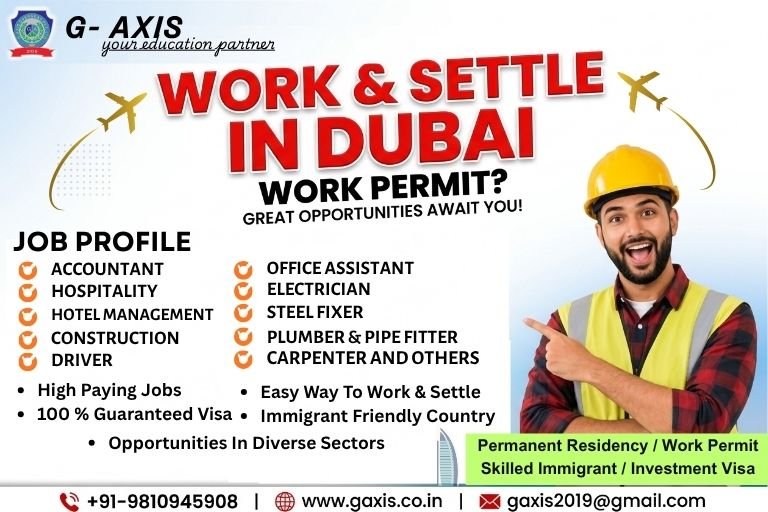
Dubai is a major city and emirate in the United Arab Emirates (UAE) known for its luxury shopping, ultramodern architecture, and bustling nightlife, serving as a global business hub. As of 2019, its population is over 2.8 million, with a cosmopolitan culture that is a mix of traditional Islamic values and a tolerant, expat-driven lifestyle. Dubai is widely considered one of the safest cities in the world for tourists and residents, featuring extremely low violent crime rates, advanced infrastructure, and high surveillance. The city is safe for walking at night, though it requires strict adherence to local laws regarding behavior, alcohol, and drugs to avoid severe penalties.
Dubai is an excellent, safe, and tax-free destination for international workers offering high earning potential, particularly in tech, finance, and engineering. It boasts a high quality of life and modern infrastructure, making it ideal for professional growth. However, it has a high cost of living, strict visa regulations linked to employment, and is highly competitive.
1. Official Name: Emirate of Dubai
2. Location: Located on the eastern coast of the Arabian Peninsula in the southwest corner of the Arabian Gulf, within the United Arab Emirates (UAE). It is bordered by Abu Dhabi to the south, Sharjah to the northeast, and the Sultanate of Oman to the southeast.
3. Area: The Emirate of Dubai covers approximately 4,114 square kilometers.
4. Capital: Dubai City (also known as Dubai).
5. Currency: United Arab Emirates Dirham (AED).
6. Languages: Arabic is the official language, while English is widely spoken and used in business.
7. Economy: Primarily driven by trade, tourism, aviation, real estate, and financial services, rather than oil, with oil contributing less than 1% to the GDP in 2018
8. Total Population: The city’s population is estimated at approximately
Dubai permanent residence is primarily achieved through the 5- or 10-year renewable UAE Golden Visa, targeting investors, entrepreneurs, specialized talents, and researchers. Key routes include investing at least AED 2 million in property, starting a business, or being a top-tier professional. It offers long-term stability without needing a local sponsor.
1. Valid Passport: Original and copies with at least 6 months validity.
2. Photographs: Recent color passport-sized photos with a white background.
3. Medical Fitness Report: Document clearing you of specific infectious diseases.
4. Health Insurance: Valid UAE health insurance coverage.
5. Police Clearance Certificate: From your home country and the UAE (if already residing there).
6. Proof of Residence/Application: Title deed or tenancy contract (if applicable).
Investors in Dubai benefit from a tax-friendly environment (0% personal income tax, 0% inheritance tax), high rental yields (5%–9%), and 100% foreign ownership. Long-term “Golden Visas” (up to 10 years) and 100% profit repatriation make it a secure, high-growth hub, complemented by world-class infrastructure and a safe, cosmopolitan lifestyle.
UAE citizenship is primarily granted through descent, marriage, or a specialized naturalization process targeting investors, skilled professionals, and talents. Key requirements include proficiency in Arabic, a valid UAE residency visa, a clean criminal record, and a legal, stable income. The UAE allows dual citizenship for meritorious citizens.
Main Paths to UAE Citizenship
1. By Nomination (Exceptional Merit): Citizenship is awarded to investors, doctors, scientists, inventors, artists, and researchers who make significant contributions.
Investors: Must own property in the UAE.
Professionals/Scientists: Must have over 10 years of experience, a patent, or a prestigious award.
2. By Marriage: A foreign woman married to a UAE national can apply for citizenship, typically without needing to meet the same professional criteria, though a long-term marriage is usually required.
3. By Naturalization: Historically, this requires a continuous legal residence of up to 30 years, with excellent conduct.
Naturalization in the UAE allows foreigners to become citizens, but it is rare and usually requires a 30-year legal residency, fluency in Arabic, a clean criminal record, and a stable income. It is typically reserved for those who make exceptional contributions, such as investors, doctors, or talented individuals nominated by UAE officials.
Key Pathways & Rules
1. The 30-Year Rule: Historically, you must live in the UAE for 30 consecutive years, though this is rarely utilized.
2. Exceptional Merit (Talent/Investment): Under new 2021 laws, the UAE cabinet can grant citizenship to “elite” expats—scientists, inventors, artists, and investors—who bring value to the nation.
3. Marriage: Foreign women married to UAE citizens can apply after a certain period (usually 7-10 years) and having children, according to Wikipedia Emirati nationality law.
4. Dual Citizenship: The UAE now allows naturalized citizens to keep their existing citizenship.
5. Requirements: A clean criminal record and proficiency in Arabic are strictly necessary.
1. AI & Machine Learning Specialists: High demand due to UAE’s National AI Strategy 2031.
2. Cybersecurity Experts: Crucial for protecting data as firms move to the cloud.
3. Software Developers/Engineers: High demand for building custom software solutions.
4. Data Analysts/Scientists: Needed to turn data into business insights.
5. Cloud Computing Architects: Supporting digital transformation.
6. E-commerce Specialists: Growing with digital market shifts.
7. ICU Nurses: A critical shortage, making them highly sought after.
8. Doctors (Specialists/Psychiatrists): High demand in specialized areas.
9. Telemedicine Professionals: Growing in modern healthcare.
10. Medical Software Technicians: Supporting technical medical infrastructure.
11. Financial Analysts/Managers: Key for investment and planning.
12. Fintech/Blockchain Specialists: Driving advancements in banking.
13. Risk Management Professionals: Essential for corporate compliance.
14. Talent Acquisition Specialists (HR): High turnover and growth require skilled hiring.
15. Civil/Construction Project Managers: Driving large-scale infrastructure projects.
16. MEP (Building Services) Engineers: Crucial for building infrastructure.
17. Real Estate Agents/Property Consultants: High demand in booming real estate markets.
18. 18. Sustainability/ESG Specialists: Crucial for green building and compliance.
19. Logistics/Supply Chain Managers: Supporting Dubai’s position as a trade hub.
20. Renewable Energy Engineers (Solar/Clean Fuel): Focusing on sustainability goals.
1. Legal Residency and Work Status: Grants formal, legal status to live and work in Dubai.
2. Tax-Free Salary: Income earned is generally free from personal income tax, maximizing take-home pay.
3. Family Sponsorship: Allows employees to sponsor dependents, including spouse, children, and sometimes parents.
4. Access to High-Quality Healthcare: Mandatory health insurance coverage ensures access to world-class medical facilities.
5. International Networking & Career Growth: Offers exposure to a diverse global workforce and professional, high-paced environment.
6. Banking and Financial Access: Necessary for opening bank accounts, obtaining credit cards, and applying for loans.
7. Global Mobility (Travel Access): Facilitates easier travel to other countries and freedom to enter/exit the UAE without restrictions.
8. Access to Educational Institutions: Allows dependents to access top-tier private schools and universities.
9. Driver’s License and Vehicle Ownership: Permits you to convert your foreign license or apply for a UAE driver’s license and own a car.
10. Flexible Work Options: The system supports various work structures, including full-time, part-time, project-based, and remote/freelance options.
A Dubai work visa requires a job offer from a UAE-based company, which then sponsors the employee’s 2-year residency permit. The process involves securing a work permit from MOHRE, entering the country, passing a medical exam, and getting an Emirates ID. Costs generally range from 2,000 to 3,500 AED.
1. Standard Employment Visa: Employer-sponsored, usually valid for two years.
2. Green Visa: 5-year residency for skilled professionals, freelancers, and investors without needing a specific employer sponsor.
3. Golden Visa: 5 or 10-year long-term residency for top talent, investors, and researchers.
4. Remote Work Visa: 1-year visa for professionals working for companies outside the UAE.
5. Mission Visa: Short-term (60-180 days) for specific projects.
1. Passport: Must be valid for at least six months from the entry date, with at least one blank page.
2. Photographs: Recent, color, passport-sized photos with a white background.
3. Flight Tickets: Confirmed, round-trip, or onward journey tickets are required.
4. Financial Proof: Evidence of sufficient funds, such as AED 3,000 in cash or credit.
5. Accommodation Proof: Hotel booking or a valid address of family/friends staying in the UAE.
6. Application Method: Applications can be submitted through the GDRFA website, authorized travel agents, or airlines.
Dubai offers a fast-paced, “work hard, play hard” lifestyle defined by high-end luxury, extreme safety, and unrivaled convenience. Residents enjoy 0% income tax, tax-free income, year-round beach culture, world-class dining, and diverse expat communities, often requiring a car for transport between destination-driven activities.
1. Safety & Security: Known as one of the world’s safest cities, residents often feel secure walking alone at night or leaving personal belongings unattended.
2. Convenience & Tech: A “delivery everything” culture exists, with apps bringing food and services to your door in as little as 15 minutes.
3. Diverse Population: With roughly 85-90% expats, it is a global melting pot.
4. Luxury vs. Practicality: While known for glitz, glamour, and exclusive nightlife, many residents live a quiet, family-oriented life in residential areas.
5. Cost of Living: High, with significant rent prices and potential for “lifestyle creep” in a city full of luxury temptations.
can help – fill in your details and we’ll call you back.



Chat Now