
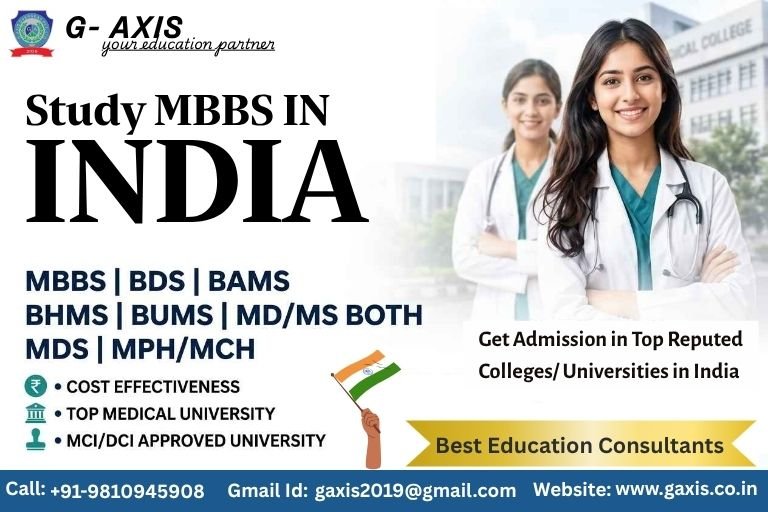
India is a South Asian country, derived from the Sanskrit Sindhu via Old Persian Hindu and Greek Indos, referring to the Indus River region. It signifies a diverse South Asian nation, known historically as the Indus valley region and legally as Bharat. India is generally considered a friendly, welcoming destination for tourists, known for its rich culture, diversity, and hospitality. India is iconic for its profound cultural diversity, ancient history, and spectacular landmarks, most notably the Taj Mahal. It is renowned for vibrant festivals, spiritual traditions, diverse cuisine, and rich handicrafts.
India is famous for its rich history, the Taj Mahal, the Golden Temple, and the vibrant, historic cities of Delhi, Jaipur, and Goa.
India is considered one of the best countries for MBBS due to its rigorous, high-quality education and high clinical exposure, Studying in India offers high-quality education in premier institutions (IITs, AIIMS, IISCs) with exceptional affordability and strong placement cells compared to many countries.
1. Official Name: Republic of India
2. Location: Situated entirely in the Northern Hemisphere, in the southern part of Asia. It is bounded by the Indian Ocean to the south, the Arabian Sea to the southwest, and the Bay of Bengal to the southeast.
3. Area: Approximately 3,287,263 square km (about 1.27 million square miles), making it the seventh-largest country in the world.
4. Capital: New Delhi
5. Currency: Indian Rupee (₹ / INR)
6. Languages: India has no single national language. Hindi and English are the official languages of the Union government. Additionally, the Constitution recognizes 22 regional languages (the Eighth Schedule).
7. Economy: India is currently one of the world’s fastest-growing major economies, India is the world’s 4th largest economy by nominal GDP, having recently surpassed Japan.
8. Total Population: Estimated to be over 1.42 billion (the most populous country in the world).
India is a premier global destination, Visitors are drawn to its stunning, varied landscapes, spiritual depth, and world-renowned, diverse cuisine. Key Reasons to Choose India:
1. Rich History and Architecture: India boasts thousands of years of history, with remarkable landmarks ranging from the Taj Mahal to the forts of Rajasthan and ancient temples.
2. Incredible Diversity: India offers immense variety in landscapes, culture, and traditions across different states, offering multiple experiences in one country.
3. Delicious Culinary Delights: Renowned for its diverse food, India offers a wide variety of flavors, regional cuisines, and spices, ranging from spicy savory dishes to unique sweets.
4. Warm Hospitality (“Atithi Devo Bhava”): Indians believe in treating guests as gods, providing a welcoming and warm experience for travelers.
5. Diverse Landscapes and Nature: From the Himalayan peaks and lush Ghats to the Thar Desert and serene backwaters, the geographical diversity is astounding.
6. Spiritual Retreats and Yoga: As the origin of several religions, India offers deep spiritual experiences, ashrams, and the opportunity to learn meditation and yoga.
7. Vibrant Festivals and Culture: With celebrations like Holi and Diwali, visitors can immerse themselves in colorful traditions, music, and folk arts.
8. Thrilling Wildlife Safaris: India is home to 75% of the world’s wild tigers and features numerous national parks and bird sanctuaries.
9. Affordable Luxury and Tourism: India offers high-value travel experiences, with affordable luxury accommodation, including staying in refurbished royal palaces.
10. Shopping and Handlooms: Visitors can explore bustling bazaars and find unique handmade crafts, textiles, and treasures.
MBBS (Bachelor of Medicine and Bachelor of Surgery) is the primary undergraduate degree required to become a doctor in India. It is a 5.5-year course that trains students in medical theory, surgery, and clinical practice. Admission requires passing the national NEET-UG exam.
MBBS in India is widely considered excellent, particularly in government colleges, offering high clinical exposure and global recognition.
Key Details About MBBS in India:
1. Entrance Exam: NEET UG is mandatory.
2. Eligibility: Pass Class 12 with Physics, Chemistry, Biology (PCB), and English with a minimum of 50% marks (40% for reserved categories).
3. Course Structure: 4.5 years of academic study followed by a 1-year CRRI.
4. Top Colleges: AIIMS Delhi, CMC Vellore, KGMU Lucknow, JIPMER, and others.
5. Admission Process: Counselling is conducted via the Medical Counseling Committee (MCC) for 15% All India Quota (AIQ) and State authorities for 85% state quota seats.
6. Fee Structure: Government colleges are highly affordable (often under ₹1 Lakh for the entire course), while private, deemed, and management seats are expensive.
1. Strong Academic Foundation: Proficiency in biology, chemistry, and physics, as well as English, is essential for admission and core studies.
2. Critical Thinking and Problem-Solving: The ability to analyze data, interpret patient symptoms, and make rapid, informed decisions.
3. Scientific Aptitude: A capacity for learning complex medical concepts, pattern recognition in diseases, and understanding diagnostic results.
4. Continuous Learning: A commitment to keeping up with rapidly evolving medical technology and research.
5. Emotional Resilience: Managing high-stress environments and handling emotional situations without burnout.
6. Ethical Responsibility: Maintaining integrity, professional behavior, and cultural humility.
7. Self-Regulation: Controlling impulses and remaining calm to act objectively.
MBBS medical colleges in India, totaling over 600 recognized institutions, MBBS in India is excellent for international students, particularly those from South Asia, Africa, and the Middle East, offering top-tier education in government colleges. Public government medical colleges offer very affordable education, while private colleges can be costly. pursuing an MBBS in India is considered a very good option, especially for students looking for high-quality clinical training, worldwide recognition, and cost-effective education in government colleges.
| So.No. | Government Medical Colleges | |
|---|---|---|
| 1. | All India Institute of Medical Sciences (AIIMS), New Delhi | |
| 2. | Maulana Azad Medical College (MAMC), New Delhi | |
| 3. | Jawaharlal Institute of Postgraduate Medical Education and Research (JIPMER), Puducherry | |
| 4. | Armed Forces Medical College (AFMC), Pune | |
| 5. | King George’s Medical University (KGMU), Lucknow | |
| 6. | Vardhman Mahavir Medical College (VMMC) & Safdarjung Hospital, New Delhi | |
| 7. | Lady Hardinge Medical College (LHMC), New Delhi | |
| 8. | Institute of Medical Sciences, BHU, Varanasi | |
| 9. | Bangalore Medical College & Research Institute (BMCRI), Bangalore | |
| 10. | Seth GS Medical College (GSMC), Mumbai |
| So.No. | Private Medical Colleges | |
|---|---|---|
| 1. | Christian Medical College (CMC), Vellore (Tamil Nadu) | |
| 2. | Kasturba Medical College (KMC), Manipal (Karnataka) | |
| 3. | St. John’s National Academy of Health Sciences, Bangalore (Karnataka) | |
| 4. | Amrita Vishwa Vidyapeetham, Kochi (Kerala) | |
| 5. | KMC Mangalore (Karnataka) | |
| 6. | Jamia Hamdard, New Delhi |
1. Age: Minimum 17 years; maximum age limits have been removed, making it accessible to older students.
2. Academic Qualification: Passed 10+2 (Higher Secondary) with Physics, Chemistry, Biology, and English as core subjects.
3. Minimum Marks (12th Grade): General/EWS: 50% aggregate in PCB, OBC/SC/ST: 40% aggregate in PCB, PwD (General): 45% aggregate in PCB.
4. Entrance Exam: Qualifying NEET-UG
5. Nationality: Indian citizens, Non-Resident Indians (NRIs), Overseas Citizens of India (OCIs), and foreign nationals are eligible.
1. Analytical & Problem-Solving: Critical thinking is essential for diagnosing illnesses and determining the best treatment plans.
2. Empathy & Compassion: Handling patients with care, emotional support, and understanding is critical for patient interaction.
3. Stress & Time Management: Managing the high-pressure environment of back-to-back classes, long study hours, and clinical rotations.
4. Effective Communication: Clearly explaining complex medical conditions and procedures to patients and their families.
5. Practical & Clinical Skills: Developing hands-on competence through lab work, hospital postings, and clinical training.
6. Teamwork & Collaboration: Working effectively with other medical professionals, assistants, and colleagues.
7. Ethical Responsibility: Upholding professionalism, integrity, and the, as outlined by NMC guidelines.
1. Phase I (1st Year – Pre-Clinical): Anatomy (gross, histology, embryology), Physiology (body functions), and Biochemistry (chemical processes).
2. Phase II (2nd Year – Para-Clinical): Pathology (diseases), Microbiology (germs), Pharmacology (drugs), and Forensic Medicine & Toxicology.
3. Phase III (3rd-4th Year – Clinical): Community Medicine, Ophthalmology, ENT (Ear, Nose, Throat), General Medicine, General Surgery, Paediatrics, Obstetrics & Gynaecology, Orthopaedics, and Dermatology.
Admissions are conducted through online counselling after NEET results are declared, typically between July and October.
1. All India Quota (15%): Managed by the Medical Counselling Committee (MCC) for seats in all government colleges, Deemed Universities, Central Universities, and AIIMS/JIPMER.
2. State Quota (85%): Managed by respective state authorities (e.g., KEA in Karnataka, CET Cell in Maharashtra) for residents of that state.
3. Private/Management Quota: Also filled via state counselling, though fees are significantly higher.
4. Duration: 5.5 years, comprising 4.5 years of academic study and 1 year of compulsory rotating internship.
5. Fee Structure (Annual): Government Colleges: ₹10,000 to ₹1.5 Lakhs. AIIMS fees are exceptionally low, often under ₹10,000, Private Medical Colleges: ₹8 Lakhs to ₹25 Lakhs, Deemed Universities: ₹15 Lakhs to ₹30+ Lakhs.
6. Documents
| So.No. | Key Details |
| 1. | Eligibility: Generally, students must have qualified for the NEET UG exam and be enrolled in the first year of an MBBS program. |
| 2. | Income Limit: Most scholarships, such as those from ONGC or private foundations, require a family income certificate proving it is below a specified limit (e.g., less than ₹6 lakh annually). |
| 3. | Application Process: Most applications are online through portals like the National Scholarship Portal, Buddy4Study, or the official websites of the respective organizations. |
| 4. | AIPMST (Secondary): A pre-medical entrance exam for scholarships at top medical colleges. |
| 5. | AIMSET: Offers 4-year fee coverage at government colleges and 1-year at private colleges based on performance. |
Government & Central Schemes:
1. PM-USP Yojana: Scholarships for low-income families pursuing medical studies.
2. Central Sector Scheme for J&K/Ladakh: Provides financial aid to students from these regions pursuing medicine in approved institutes.
3. National Scholarship Portal (NSP): Houses various central and state scholarships based on merit and financial need.
Corporate & Private Scholarships:
1. ONGC Scholarship Scheme: Provides up to ₹48,000 annually for SC/ST/OBC/EWS students.
2. Kotak Kanya Scholarship: Supports meritorious girls from low-income families pursuing professional courses like MBBS.
3. LILA Poonawalla Foundation Scholarship: Focused on female students in professional courses, offering up to ₹50,000 yearly.
4. Yashoda Foundation (Vidyavridhi): Provides financial assistance, particularly for students in Telangana/Hyderabad.
5. Swami Dayanand Scholarship: Supports academically brilliant students facing financial constraints.
| So.No. | Key Details |
| 1. | Clinical Practice & Hospital Jobs: Working as a General Practitioner, Junior Doctor, or Resident Medical Officer (RMO) in private or corporate hospitals. |
| 2. | Government Medical Officer: Roles in Primary Health Centers (PHCs), Community Health Centers (CHCs), Railways, and Armed Forces Medical Services, offering stability. |
| 3. | Hospital Management & Administration: Pursuing an MBA or diploma in Healthcare Management or hospital administration to take on leadership roles. |
| 4. | Public Health: Pursuing a Masters in Public Health (MPH) to work with NGOs, WHO, or government initiatives. |
| 5. | Medical Research & Clinical Trials: Roles in pharmaceutical companies, CROs (Clinical Research Organizations), or as a researcher/scientist. |
| 6. | MedTech & Health Informatics: Contributing to health-related technology, Artificial Intelligence, or digital health startups. |
1. General Physician / Medical Officer
2. Government Medical Officer
3. Armed Forces Medical Services (AFMS)
4. UPSC CMS (Combined Medical Services)
5. Clinical Research Associate (CRA)
6. Hospital Administrator / Manager
7. Medical Science Liaison (MSL) / Medical Advisor
8. Telemedicine Practitioner
9. Medical Content Writer / Medical Editor
10. Private Practice / Starting a Clinic
Top Private Hospital Recruiters
1. Apollo Hospitals Enterprises Ltd: One of the largest chains in India.
2. Fortis Healthcare Ltd: Renowned multi-specialty hospitals.
3. Medanta The Medicity: Specialized care facility.
4. Lilavati Hospital and Research Centre: Top research-driven hospital.
5. Wockhardt Ltd: Major health provider.
Top Government and Public Recruiters
1. AIIMS (All India Institute of Medical Sciences): Offers top roles and placements.
2. Armed Forces Medical Services (AFMS): Premier military healthcare provider.
3. Indian Railways: Health services under the Ministry of Railways.
4. State Health Services: Positions for Medical Officers and rural health specialists.
5. ESIC (Employees’ State Insurance Corporation): Government medical institutions.
MBBS doctors in India earn a respectable starting salary of roughly ₹30,000–₹70,000 per month, which grows significantly with experience.
Fresher’s often start lower, but 3-5 years of experience can raise income to over ₹1-2 lakhs monthly.
MBBS Salary Structure in India (Approximate):
1. Internship: ₹12,000 – ₹25,000 per month.
2. Junior Resident (Freshly graduated): ₹30,000 – ₹70,000 per month.
3. Mid-Level (3-5 years’ experience): ₹80,000 – ₹1.5 Lakhs+ per month.
4. Private Practice/Clinic Owner: ₹1 Lakh – ₹5 Lakhs+ per month.
So, this is all that you needed to know about doing an MBBS is India. MBBS is definitely one of the toughest courses but once you finish the course you will find yourself in a world full of opportunities. If you are also exploring MBBS courses abroad, our G-Axis counsellors are here to lend you a helping hand. Sign up for a free session with us now and get all your queries answered!
can help – fill in your details and we’ll call you back.
Chat Now