
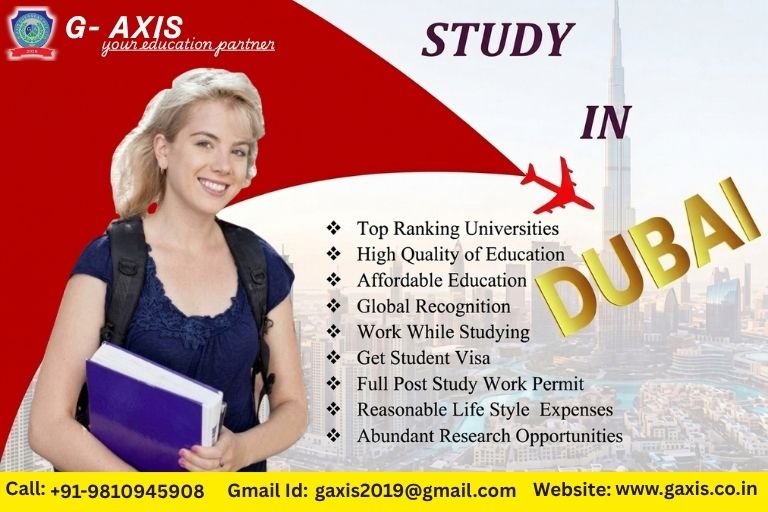
Dubai is the most populous city and a constituent part of the United Arab Emirates (UAE). It is recognized globally as a major business hub, a tourism hotspot, and a center for luxury shopping. Dubai is renowned worldwide as a premier luxury travel destination. It is distinguished by its futuristic skyline, record-breaking architectural marvels—such as the Burj Khalifa and Palm Jumeirah—and its high-end shopping experiences. It is equally celebrated for its spectacular desert safaris, diverse multicultural cuisine, and vibrant nightlife, offering a unique blend of modern innovation and traditional Arab heritage. Dubai is generally considered a safe destination for tourists, boasting very low rates of violent crime, even during the night. Given its status as a major tourist destination, the city maintains a robust and efficient police system.
Dubai is an excellent destination for international education, particularly due to its safe environment, the presence of branch campuses from high-quality international universities, and the abundant career opportunities available in sectors such as finance and tourism. It is generally more affordable than Western nations, while simultaneously offering a tax-free and cosmopolitan lifestyle. Indian students constitute one of the largest groups of international students choosing to visit and pursue their studies in Dubai. This is primarily attributed to Dubai’s geographical proximity to India, strong cultural ties, and the significant presence of a large Indian expatriate community residing in the city.
1. Official name: Emirate of Dubai
2. Location: Southeastern coast of the Persian Gulf, United Arab Emirates (UAE)
3. Area: Approximately 4,114 square kilometers
4. Capital: Dubai City
5. Currency: UAE Dirham (AED)
6. Languages: Arabic is the official language, with English commonly used in business and daily life.
7. Economy: Primarily driven by tourism, aviation, real estate, and financial services. Oil revenue accounts for less than 6% of its GDP.
8. Total population: Estimated at over 3.7 million
1. World-Class Architecture and Landmarks: Home to the Burj Khalifa (tallest building), Burj Al-Arab, and artificial Palm Islands, offering unparalleled sights.
2. Unrivaled Safety and Security: Consistently ranked among the safest cities in the world, making it ideal for families and tourists.
3. Tax-Free Income and Investment Benefits: Offers high rental yields and 100% foreign ownership, making it a top choice for real estate investors.
4. Strategic Global Location and Connectivity: A central hub linking Europe, Asia, and Africa with one of the world’s busiest airports.
5. Year-Round Sun and Beaches: Features thousands of kilometers of white-sand beaches, including JBR Open Beach and La Mer, with sunny weather almost year-round.
6. Luxury Shopping and Dining: Home to the Dubai Mall (world’s largest) and a diverse culinary scene offering everything from street food to Michelin-starred dining.
7. Desert Adventures and Culture: Offers unique desert safaris, camel riding, dune bashing, and traditional Bedouin experiences.
8. Cosmopolitan Lifestyle and Diversity: A melting pot of cultures, where 89% of the population are expatriates, creating a welcoming and diverse environment.
9. High Quality of Life: Known for top-tier infrastructure, modern healthcare, and excellent international schools.
10. Endless Entertainment for All Ages: Features attractions like the Dubai Fountain, Ski Dubai, Aquaventure Waterpark, and numerous theme parks.
1. Structure: Comprises public schools (primarily for Emiratis, Arabic-taught) and a vast private sector (for expatriates, multiple curricula).
2. Curricula: Popular choices include British (IGCSE/A-Levels), American, International Baccalaureate (IB), and CBSE.
3. Regulation: The Knowledge and Human Development Authority (KHDA) regulates private schools, conducting inspections to ensure quality.
4. Levels: Early childhood (preschool) focuses on formative assessment, while secondary education focuses on formal, internationally recognized exams (e.g., A-Levels, IB, AP).
5. Higher Education: Features numerous international university branches offering undergraduate/postgraduate programs in business, engineering, and technology.
6. Costs: Private school fees vary widely, from around AED 12,000 to over AED 90,000 annually for premium schools.
7. Language: English is the primary medium of instruction in most private schools, with mandatory Arabic studies.
Educational Levels
1. Preschool: Early childhood centers.
2. Primary: Grades 1–5 (ages 6–11).
3. Secondary: Grades 6–12 (ages 11–18), including vocational options.
4. Higher Education: Bachelor’s and master’s programs.
1. Globally Recognized Education: Access to world-class branch campuses of top UK, Australian, and Canadian universities, offering the same degree at lower costs.
2. High Employability & Career Growth: A robust, growing economy provides numerous internship opportunities and a strong job market, particularly in finance, business, and technology.
3. Affordability & Reduced Costs: Tuition fees and living expenses can be 30–40% lower than in Western countries.
4. Safety & Cultural Diversity: Known as one of the world’s safest cities, providing a secure and cosmopolitan lifestyle with a large, diverse international student population.
5. Strategic Location: Situated at the crossroads of the East and West, it provides easy access to international travel and career opportunities.
Key Industries & Trends
1. Technology & AI: The UAE’s National AI Strategy 2031 accelerates hiring in AI, cybersecurity, and cloud computing.
2. Finance & Fintech: Strong demand for professionals in wealth management and fintech services.
3. Logistics & E-Commerce: Driven by smart supply chains and logistics.
4. Real Estate & Construction: Continues to be a significant employer due to ongoing development projects.
5. Hospitality & Tourism: Driven by iconic landmarks and high tourism, creating demand for hotel and travel services.
Career & Job Search Insights
1. Skill-Based Hiring: Employers prioritize skills over degrees, particularly in data analytics, digital transformation, and artificial intelligence.
2. Recruitment Channels: Utilize platforms like LinkedIn and Bayt to connect with recruiters and apply for positions.
3. Networking: Networking is essential; attending industry events and joining professional groups is crucial for finding opportunities.
4. Preparation: Research company cultures, which often have formal business etiquette.
1. University of Birmingham Dubai
2. Middlesex University Dubai
3. Canadian University Dubai (CUD)
4. American University in the Emirates (AUE)
5. University of Dubai (UD)
6. Manipal Academy of Higher Education, Dubai
7. Curtin University Dubai
8. American University in Dubai (AUD)
9. British University in Dubai (BUiD)
10. Zayed University
11. Hamdan Bin Mohammed e-University (HBMeU)
12. Heriot-Watt University Dubai (Strong engineering focus)
13. University of Wollongong in Dubai (UOWD)
14. Al Ghurair University (AGU)
15. Biotechnology University College Dubai (BUC)
16. Dubai Medical College for Girls
17. Strathclyde Business School, Dubai
18. Mohammed Bin Rashid School of Government (MBRSG)
19. SP Jain School of Global Management
20. Rochester Institute of Technology (RIT) Dubai
1. Business and Management: MBA, BBA, Finance, and Marketing are extremely popular, with many institutions offering practical, industry-linked curricula.
2. Artificial Intelligence & Data Science: As a major AI hub, Dubai sees high demand for specialized courses in AI, data analytics, and machine learning.
3. Engineering & Technology: Civil engineering, renewable energy, and software engineering are in demand for infrastructure development.
4. Hospitality & Tourism Management: Due to the booming tourism industry, specialized degrees in hotel management are a key choice.
5. Information Technology & Cybersecurity: Degrees in cyber security, software development, and IT management offer strong career prospects.
When to Apply (Intakes and Deadlines)
1. Main Intake (September/October): This is the biggest intake. Applications usually open early in the year, with popular programs filling up quickly.
2. Secondary Intake (January/February): Some universities offer a mid-year intake.
3. Deadlines: While some institutions have rolling admissions, applying by April or May for the September intake is recommended to allow time for visa processing.
How to Apply (Application Process)
1. Select Course & University: Research institutions like the University of Birmingham Dubai or Edroots approved colleges.
2. Meet Eligibility: Generally require 12+ years of schooling with at least 60-65% score for undergraduate, plus English proficiency tests (IELTS 6.5+, TOEFL).
3. Prepare Documents: Gather academic records, passport copies, CV/resume, and Statement of Purpose (SOP).
4. Submit Application: Apply directly through the university website or utilize educational consultants.
5. Secure Scholarship: Look into merit-based, fully-funded, or partial scholarships (often due by December for the following year’s intake).
General Eligibility Criteria
1. Academic Records: Attested transcripts for grades 10, 11, and 12.
2. Age: Generally 18 years or older at the start of the course.
3. English Language Proficiency: TOEFL or IELTS are standard; some institutions may accept 70% or higher in English in the 12th year.
4. Equivalency Certificate: A certificate from the UAE Ministry of Education is often required to certify high school documents.
1. Completed Application Form
2. Passport
3. Photographs
4. Academic Transcripts/Certificates
5. English Proficiency Test Scores
6. Statement of Purpose (SOP)
7. Letters of Recommendation (LOR)
8. Curriculum Vitae (CV)/Resume
9. Experience Certificate
Visa & Post-Admission Documents
1. Offer Letter: Unconditional offer letter from the university.
2. Proof of Financial Support: Bank statements proving ability to pay tuition and living costs.
3. Visa Application Form: Duly signed form for residence visa.
4. Visa Payment Receipt: Proof of payment for visa and tuition fees.
5. Health Insurance Card: Valid health insurance within the UAE.
6. Medical Fitness Test Report: Report from an authorized UAE health center.
7. Emirates ID Form: If applicable.
1. Mohamed bin Zayed University of Artificial Intelligence (MBZUAI) Scholarship: A highly competitive, fully funded scholarship for MSc and PhD students in AI, offering 100% tuition waivers, monthly stipends, health insurance, and visa sponsorship.
2. Sheikh Mohammed Bin Rashid Al Maktoum Foundation Scholarship: Known as a premier government scholarship, it covers tuition fees, accommodation, and sometimes living expenses for meritorious undergraduates at top Dubai institutions.
3. American University in Dubai (AUD) Scholarships: Offers up to 100% tuition waivers, particularly through the Sheikh Mohammed Scholarships, based on high academic achievement and leadership.
4. University of Dubai Academic Excellence Scholarship: Provides merit-based scholarships ranging from 25% to 50% tuition waivers for international students based on their academic performance.
5. BITS Pilani Dubai Campus Scholarships: Offers merit-based tuition fee waivers ranging from 10% to 70% for Bachelor’s students based on Grade 12 results (70% and above) or BITSAT scores.
Tuition Fees (Annual)
1. Bachelor’s/Master’s: Generally ranges between AED 20,000 and AED 110,000 per year.
2. Variability: Costs depend on the university type (public vs. private) and the program, with many international branch campuses offering degrees at a premium.
Top Part-Time Job Sectors for Students
1. Retail Assistant/Sales: Fashion, electronics, and specialty stores often hire part-time.
2. Hospitality & Events: Waiter, host, or barista roles at hotels and cafes, or staff for large exhibitions.
3. Tutoring: Private tutoring in school subjects (AED 100-300 per hour).
4. Administrative/Data Entry: Junior positions in offices.
5. Customer Service/Call Center: Retail or office-based roles.
Requirements and Regulations
1. Minimum Age: 18+ (exceptions for 15-18 with specific permits).
2. Visa/NOC: Must hold a valid student visa and an NOC from the university.
3. Permits: A part-time work permit is required from the MOHRE.
4. Working Hours: 15 hours/week during academic sessions; 40 hours/week during breaks.
1. Software Developer
2. Data Analyst
3. Cybersecurity Specialist
4. Financial Analyst
5. Machine Learning/AI Engineer
6. Digital Marketing Specialist
7. Civil Engineer
8. Real Estate Consultant/Agent
9. Business Development Executive
10. Cloud Computing Expert
11. Investment Banker
12. HR Graduate Trainee
13. Supply Chain/Logistics Coordinator
14. Renewable Energy Engineer
15. Guest Relations/Hospitality Executive
16. Accountant/Accounts Officer
17. Project Manager
18. E-commerce Specialist
19. Healthcare Administrator
20. Marketing Manager
| 1. Multicultural Environment: Dubai is a cosmopolitan city hosting over 200 nationalities, providing a truly international experience where students can meet people from all over the world. | |
| 2. Safe & Secure Living: With a top safety ranking, the UAE is considered very safe, and Dubai is known for its low crime rate, making it secure for international students. | |
| Accommodation Costs | |
| 3. Vibrant Social & Weekend Scene: Life outside the classroom includes popular social activities such as visiting beaches at JBR or Kite Beach, desert safaris, and exploring major attractions like the Dubai Mall. | |
| 4. Part-time Work Opportunities: Students can work part-time during their studies to gain industry experience, with many internships available in fields like technology, tourism, and business. | |
| 5. Modern Campus Facilities: Most universities provide lively on-campus environments with modern facilities, clubs, societies, and student-led events like talent shows and tech meetups. | |
Contact us for more information and VISA apply.
can help – fill in your details and we’ll call you back.
Chat Now