
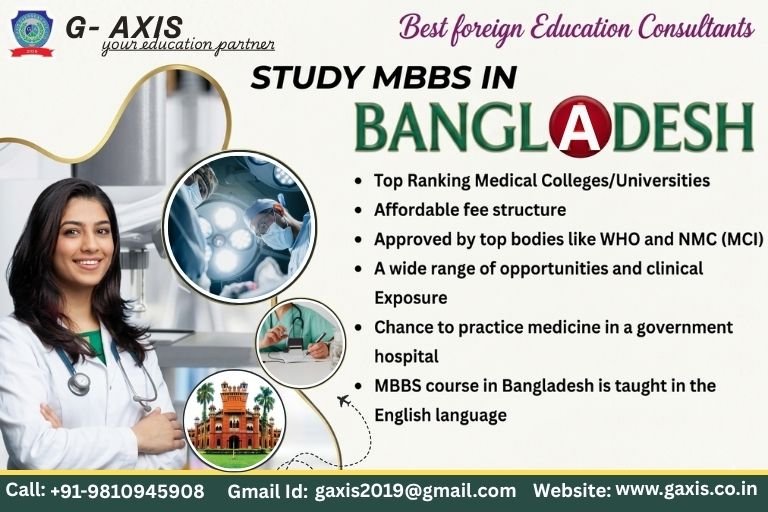
Bangladesh, is a densely populated country in South Asia located on the Bay of Bengal. Dhaka is the capital, largest city, and central economic hub. Bangladesh I Bangladesh is generally safe for tourists who are experienced travelers, offering a warm and welcoming atmosphere, though it requires high awareness of your surroundings, traffic safety, and petty crime. s globally famous as the world’s second-largest garment exporter, a major producer of Hilsa fish. Studying in Bangladesh is a good, budget-friendly option, particularly for MBBS, offering education comparable to India. the Bangladesh economy is ranked roughly 33rd to 35th in the world by nominal GDP, marking it as the second-largest economy in South Asia.
Bangladesh is exceptionally friendly and hospitable toward foreigners, often treating visitors with genuine curiosity and respect due to low tourist volumes. Locals frequently invite travelers for tea or food, offering a warm, welcoming experience.
1. Official Name: People’s Republic of Bangladesh.
2. Location: South Asia, bordering India to the north, west, and east, Myanmar to the southeast, and the Bay of Bengal to the south.
3. Area: Approximately 1,48,460 square kilometres (57,320 sq mi).
4. Capital: Dhaka
5. Currency: Bangladeshi Taka (BDT)
6. Languages: Bengali (Bangla) is the official and national language. English is also widely spoken and used in business and education.
7. Economy: A developing, middle-power economy and a global hub for garment manufacturing. Major sectors include agriculture (rice, jute, tea), textiles, and remittances.
8. Total Population: Estimated at 17,72,59,237 as of April 2, 2026.
Bangladesh is a top destination for travelers seeking authentic, budget-friendly adventures, Here are the top 10 reasons to choose Bangladesh.
1. The Sundarbans: Explore the world’s largest mangrove forest and home to the Royal Bengal Tiger, a UNESCO World Heritage Site.
2. Cox’s Bazar Beach: Relax on the longest uninterrupted natural sandy sea beach in the world.
3. Unparalleled Hospitality: Experience exceptionally warm, welcoming, and friendly local hospitality, often ranked among the best in Asia.
4. Affordable Travel: Enjoy a budget-friendly trip with low-cost food, transport, and accommodation, offering great value.
5. Rich Cultural Heritage: Explore historical gems including the Mughal-era Lalbagh Fort and Buddhist sites like Paharpur.
6. Riverine Beauty & Boat Cruises: Travel through the unique, massive network of rivers, including the historic Rocket Paddle Steamer journey.
7. Authentic & Offbeat Experience: Discover a nation with very few foreign tourists, providing an unspoiled, raw, and original travel experience.
8. Diverse Landscapes: Visit lush tea gardens in Sreemangal, the hilly Bandarban region, and tropical islands like Saint Martin’s.
9. Unique Culinary Journey: Savor diverse local cuisine, including flavorful rice dishes, fresh fish, and diverse street food.
10. Vibrant Culture & Festivals: Witness colorful, lively festivals and bustling local markets that showcase local life.
1. High FMGE/NMC Passing Rate: Bangladesh has a high pass percentage in the Foreign Medical Graduates Examination (FMGE), as the curriculum is similar to Indian standards and uses the same English textbooks.
2. Affordable Tuition and Fees: Medical education is very cost-effective, with many colleges offering easy payment installments and no hidden fees.
3. Recognized Degrees: MBBS degrees from Bangladesh are recognized by the National Medical Commission (NMC) – formerly MCI – and the World Directory of Medical Schools (WDOMS).
4. Medium of Instruction: The entire course, including clinical training, is taught in English.
5. Cultural and Social Similarities: The culture, food habits, and environment are similar to India, which helps students adjust easily.
6. Safety and Environment: Bangladesh is considered safe for international students, offering a secure environment, especially for female students, with many dedicated women’s medical colleges.
7. No Entrance Exams/Donations: Direct admission is available in many private colleges without high, hidden donation fees.
| Recognition | NMC and WHO approved |
| Eligibility | 60% in Physics, Chemistry and Biology Aggregate |
| Course Duration | 5 + 1 Year Internship |
| NEET | Yes, compulsory |
| IELTS/TOFEL | Not Required |
| Medium of Teaching | English |
1. Affordable Fees & Low Cost of Living: Tuition fees are low and often payable in installments, making it a cost-effective option for international students.
2. No Donation Needed: Private medical colleges generally do not require capitation fees or donations, ensuring a transparent admission process.
3. Similar Curriculum & English Medium: The syllabus aligns with Indian medical standards (NMC/MCI), and all instruction is in English, eliminating the need to learn a new language.
4. High FMGE/NMC Passing Percentage: Due to a similar study pattern, students from Bangladesh have one of the highest success rates in the FMGE/NMC screening test.
5. Global Recognition & Accreditation: Degrees are accredited by major bodies, including the World Health Organization (WHO) and the National Medical Commission (NMC) of India.
6. Easy Access & Cultural Similarity: As a neighboring country to India, Bangladesh is easily accessible. The climate, food, and culture are similar to India, allowing for easy adaptation.
7. Quality Clinical Training: Students benefit from robust clinical exposure in hospitals, as many medical colleges have affiliated hospitals with high patient inflow.
8. No Entrance Exam Requirement: Admission often occurs without a separate entrance exam beyond basic qualifying marks, simplifying the process.
1. Age: Minimum 17 years old by December 31st of the admission year.
2. Academic Qualifications:
3. NEET (UG): Indian students must qualify for the NEET examination in the same year or the previous academic year.
4. Study Gap: A gap of more than one to two years after high school is typically not accepted.
5. Documents Required: 10th & 12th Marksheets and Certificates, Valid Passport, Equivalency Certificate from the Bangladesh Mission Abroad, Medical Fitness Certificate.
| So.No. | Public (Government) Colleges: Generally considered the top-tier due to high competition and low fees: |
|---|---|
| 1. | Dhaka Medical College (Dhaka) |
| 2. | Sir Salimullah Medical College (Dhaka) |
| 3. | Shaheed Suhrawardy Medical College (Dhaka) |
| 4. | Mymensingh Medical College (Mymensingh) |
| 5. | Chittagong Medical College (Chittagong) |
| So.No. | Private Colleges: Renowned for excellent facilities and strong success rates for foreign students: |
| 1. | Bangladesh Medical College (Dhaka) |
| 2. | Dhaka National Medical College (Dhaka) |
| 3. | Jahurul Islam Medical College (Kishoreganj) |
| 4. | Enam Medical College and Hospital (Savar) |
| So.No. | Key Details | |
| 1. | 1st Phase (1.5 years): Anatomy, Physiology, and Biochemistry. | |
| 2. | 2nd Phase (1 year): Community Medicine and Forensic Medicine. | |
| 3. | 3rd Phase (1 year): Pharmacology & Therapeutics, Pathology, and Microbiology. | |
| 4. | 4th Phase (1.5 years): Medicine & Allied subjects, Surgery & Allied subjects, Obstetrics and Gynaecology. |
1. Select University: Choose from approved medical colleges.
2. Application: Submit the application form along with academic transcripts and documents, ideally through an authorized consultancy like Rus Education or Direct MBBS.
3. Equivalency Certificate: Obtain an equivalency certificate from the Directorate General of Health Services (DGHS) in Bangladesh.
4. Visa Application: Apply for a student visa.
5. Final Selection: Based on merit and NEET scores.
1. Government Scholarships: Specifically for foreign students (SAARC & Non-SAARC) in government medical colleges, often providing tuition waivers.
2. Private College Scholarships: Some private colleges provide need-based or merit-based partial scholarships. Examples include the Institute of Applied Health Sciences, Jalalabad Ragib-Rabeya Medical College, and Bangladesh Medical College.
1. Course Duration: 5 years of study + 1-year mandatory internship.
2. Average Tuition Fees: Generally range from USD 30,000 to USD 48,000.
3. Hostel/Living Costs: Affordable, typically INR 10,000–15,000 per month.
4. Affordability: Living costs are significantly lower (often over 70% cheaper) than in Western nations.
1. Practice in India (FMGE/NExT): Indian students can take the Foreign Medical Graduate Examination (FMGE) or the upcoming NExT exam to become registered practitioners in India.
2. International Opportunities: The MBBS degree is recognized by the WHO, allowing graduates to appear for licensing exams (e.g., USMLE, PLAB) and practice in countries like the USA, UK, Canada, and Australia.
3. Local Practice & Internship: Graduates can complete their mandatory 1-year internship in affiliated hospitals in Bangladesh, gaining extensive hands-on experience.
4. Postgraduate Study Options: Graduates can apply for postgraduate medical programs in Bangladesh or internationally.
1. Medical Officer (MO) – Private Hospitals & Clinics
2. Resident Medical Officer (RMO)
3. BCS Health Cadre Officer (Public Sector)
4. Emergency Medical Officer (Emergency Department)
5. Clinical Instructor/Tutor (Medical Colleges)
6. General Practitioner (Private Clinic Practice)
7. Junior Consultant/Trainee (Postgraduate Training/FCPS/MD)
8. Medical Officer in Specialized Hospitals (ICU/CCU/NICU)
9. Cosmetic Dermatologist/Aesthetic Doctor
10. Medical Writer/Clinical Researcher
The salary after completing an MBBS in Bangladesh is generally good, especially considering the low cost of education.
Graduates earn between BDT 40,000 and 100,000 per month (approx. ₹30,000–₹80,000).
Cost-Benefit Advantage: The tuition fees in Bangladesh are low compared to other countries (approx. ₹25–₹45 lakhs total for top colleges), offering a quick return on investment.
Career Options in India: After passing the FMGE exam, graduates can work in India, where starting salaries for doctors are competitive, generally around ₹5–10 LPA (Lakhs Per Annum).
Contact us for more information
can help – fill in your details and we’ll call you back.

Chat Now