


Argentina, officially the Argentine Republic, is the eighth-largest country in the world, located in the southern cone of South America. Argentina has become a very expensive country in US dollar terms, often considered one of the most expensive in South America, challenging its former reputation as a budget destination. Argentina is world-renowned for its passionate tango music and dance, world-class football and high-quality beef. It is also famous for its diverse landscapes, including the glaciers of Patagonia, the vineyards of Mendoza, and the vibrant culture of Buenos Aires. Argentina is generally considered a safe, welcoming country for tourists and is one of the safer destinations in South America.
Studying in Argentina is an excellent, high-quality, and affordable option, particularly due to free tuition at top-ranked public universities like the University of Buenos Aires (UBA). Offering a rich cultural experience, it boasts low living costs and high-quality education recognized internationally, making it a premier study destination in Latin America. Students visiting Argentina, particularly for study abroad or higher education, primarily come from neighboring South American countries, with Brazil, Chile, and Colombia being top sources of international students.
1. Official name: Argentine Republic (República Argentina).
2. Location: Southern South America, bordered by Chile to the west, Bolivia and Paraguay to the north, Brazil and Uruguay to the northeast, and the Atlantic Ocean to the east.
3. Area: Approximately 2,780,400 km2 (1,073,364 sq miles), the second-largest country in South America and eighth-largest in the world.
4. Capital: Buenos Aires
5. Currency: Argentine peso (ARS)
6. Languages: Spanish (official)
7. Economy: Argentina is ranked around the 24th to 25th largest economy in the world by nominal GDP, with an estimated GDP of approximately $683 billion. It is the third-largest economy in Latin America, following Brazil and Mexico.
8. Total population: Estimated at 46,003,734 (mid-year 2026) to 47.9 million.
1. Dramatic Landscapes (Patagonia): Experience spectacular glaciers like Perito Moreno in Los Glaciares National Park, which is part of the second-largest continental ice extension.
2. Passionate Culture (Tango): Experience the birthplace of tango, featuring passionate dance shows and history in Buenos Aires.
3. World-Class Wine (Malbec): Sample unique, high-quality Malbec wines, particularly in the Mendoza region, which is renowned for its vineyards.
4. Exceptional Cuisine (Asado): Enjoy world-renowned, high-quality beef and traditional asado (barbecue).
5. European Charm (Buenos Aires): Experience the “Paris of South America,” characterized by elegant architecture, cafes, and diverse neighborhoods.
6. Adventure Activities: Explore diverse geography ranging from the Andes mountains to extensive coastlines, offering hiking, skiing, and adventure sports.
7. Affordability/Value: Benefit from a favorable exchange rate that makes travel, dining, and lifestyle experiences highly affordable compared to Europe or North America.
8. Diverse Regional Experiences: Visit subtropical rainforests (Iguazú Falls) or remote, cold mountains in the same country.
9. Unique “Gaucho” Tradition: Explore authentic ranch culture and the traditions of Argentine cowboys in the Pampas plains.
10. Friendly and Diverse Culture: Experience a vibrant, multicultural society with strong Spanish and Italian influences, offering a lively and welcoming atmosphere.
1. Extremely Affordable Education: Public universities are generally free for international students, with private institutions offering tuition far lower than in North America or Europe.
2. Top-Ranked Universities: Institutions like the University of Buenos Aires (UBA) are ranked among the best in South America, particularly for medicine, engineering, social sciences, and agriculture.
3. Cultural Immersion & Lifestyle: Students can fully immerse themselves in Spanish, enjoy a vibrant student community, and experience the famous Argentinian culture, including art, history, and nightlife.
4. Affordable Cost of Living: Living expenses are low compared to Western countries, allowing for a comfortable lifestyle on a budget.
5. Quality of Life and Travel: Argentina is a large, culturally diverse country with stunning landscapes—from Patagonia in the south to the Andes. It is often described as a vibrant, safe destination for international students.
| 1. | Levels: Initial (kindergarten), Primary (6-7 years), Secondary (5-6 years), and Higher Education (university and non-university). | |
| 2. | Structure Variations: Provinces use either a 7+5 (primary+secondary) or 6+6 system. | |
| 3. | Compulsory Education: Education is compulsory from age 5 through the end of secondary school. | |
4. 5. | Higher Education: Public universities are free and, while prestigious, can have challenging preparatory courses rather than strict entrance exams. Public vs. Private: While public schooling is free and widely attended, private education is also popular, especially at the primary and secondary levels. |

The most important institution of higher education is arguably the University of Buenos Aires. Located in the bustling namesake capital, it was founded in the year 1821 and has ever since then been the center of academic excellence and high research output. This is evident from the fact that many Argentinian Presidents, Nobel Laureates, entrepreneurs, etc have studied here. Its academic structure is overarching and covers as many as 13 faculties. These faculties include those of psychology, engineering, medicine, law, and agronomy.
Austral University has come a long way since its foundation in the year 1992. It maintains a broad spectrum of academic programs that consists of a total of 15-degree programs in a range of fields. These programs include those in Biomedical Sciences, Business Studies, Law, Engineering, and Communications. Of all the academic programs, its IAE Business School is considered among the best business schools in the region.

Based in Córdoba, the National University of Córdoba is the oldest university in the country and dates back to the 17th century. Popularly known as La Docta, it is the second-largest university so far as student enrollment and academic programs are concerned. You shall find students spread over across a range of academic programs such as Economics, Agriculture, Law, Medicine, Psychology, Arts, and Philosophy, and Humanities.
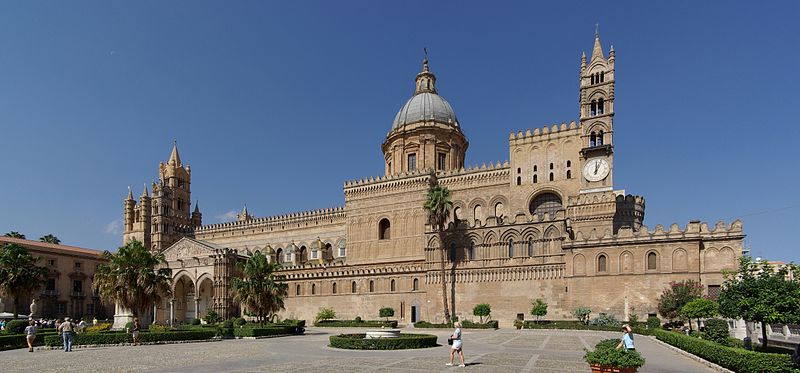
The University of Palermo is a highly renowned private university in Palermo and is known for its association with some of the big names in global education such as Harvard University and Yale University. Having been only established in the year 1986 and even offers a few in association with foreign universities such as the London School of Economics. It is actively involved in conducting high-profile research in areas concerning Artificial Intelligence, Human Rights, and Higher Education.
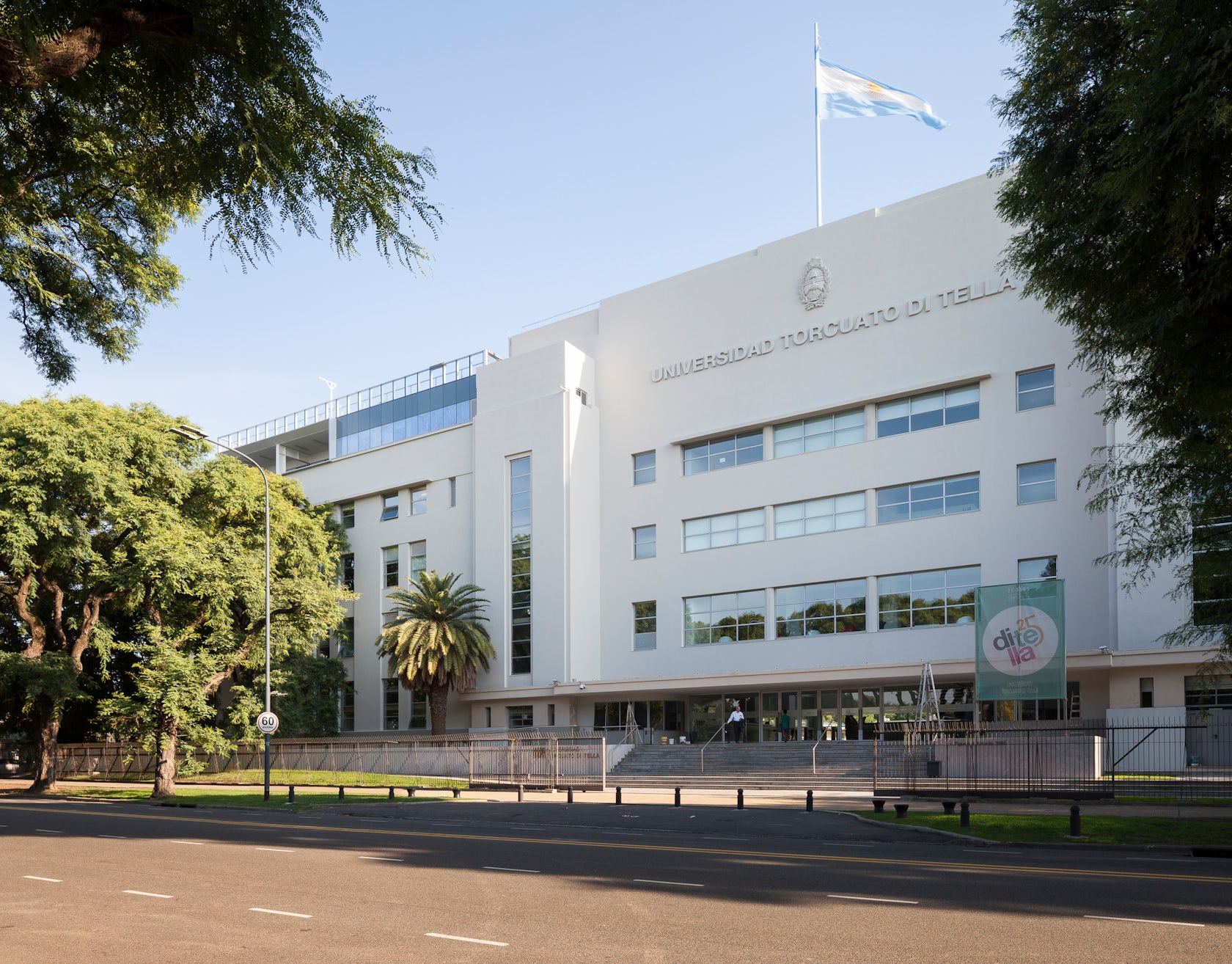
Universidad Torcuato Di Tella is another national treasure based in the capital and was founded only in the late 20th century. Best known for its programs on social sciences, it offers a plethora of courses to choose from: law, business, economics, international relations, history, and political sciences. A defining feature of the university is its galaxy of international professors that contribute immensely to academic excellence. To complement academic efforts, there are many research centers such as the Centre for Financial Research, Institutions and Policy Research Laboratory, and the International Studies Centre. To expand students’ experience, it has entered into many arrangements with universities in the United States and Europe.
1. Medicine and Health Sciences: Medical programs are world-renowned, especially the University of Buenos Aires. Nursing is also highly regarded.
2. Engineering and Technology: Strong options in mechanical, civil, chemical, and biomedical engineering. IT and software development are rapidly growing in demand.
3. Business, Economics, and Finance: Popular choices include International Business and MBA programs, with top schools like Universidad Torcuato Di Tella offering English-taught options.
4. Social Sciences and Humanities: Strong foundations in psychology, international relations, sociology, and law.
5. Agriculture and Natural Sciences: Due to the country’s agricultural focus, Agronomy and Forestry are high-quality fields.
6. Spanish Language and Culture: Many international students choose to study intensive Spanish and explore cultural topics like Tango.
When to Apply
1. Semester Start Dates: The academic year starts in March (first semester) and August (second semester).
2. Application Timelines:
• For March Start: Apply between October and January.
• For August Start: Apply between April and June.
3. Recommendation: Start the application process and document gathering (including apostilles) at least 3–6 months in advance.
How to Apply
1. Select a Program/University: Research institutions like the University of Buenos Aires (public/free) or private options such as Universidad Austral.
2. Gather Required Documents: Prepare your passport, school transcripts/diploma (must be apostilled), and a Spanish language proficiency certificate (if required).
3. Submit Application: Submit directly to the university online.
4. Get Enrollment Letter: Universities will issue a letter upon acceptance, required for the student visa.
General Admission Requirements
1. Bachelors/Undergraduate: A completed high school diploma (or equivalent) apostilled.
2. Master’s/Graduate: A Bachelor’s degree (Licenciatura) or equivalent from a recognized institution, often with a minimum GPA (e.g., 6.0/10).
3. Documents: Official academic transcripts, a valid passport, and personal photos.
4. Language Proficiency: Certification in Spanish (DELE or CELU) is generally required for programs taught in Spanish.
5. Admissions Process: No centralized system exists; applicants must apply directly to individual universities.
1. Passport
2. Academic Records
3. Spanish Translation
4. Application Form
5. Passport-style Photos
6. Curriculum Vitae (CV)
7. Statement of Purpose
1. Fulbright Argentina Scholarships: Exchange programs for U.S. and Argentine students/researchers, often including teaching opportunities.
2. Fundación Carolina Scholarships: Postgraduate scholarships for Latin American and Spanish students, focusing on academic cooperation.
3. Banco Santander Scholarships: Covers tuition fees, transport, and monthly stipends for international students.
4. OAS Academic Scholarships: For citizens of Organization of American States (OAS) member countries pursuing graduate studies in Argentina.
5. Organization of Ibero-American States (OEI) Scholarships: Provides partial or full tuition support.
1. Hospitality & Tourism: Hostels, bars, and restaurants in cities like Buenos Aires frequently hire students, especially during the peak summer season (spring/summer).
2. Teaching/Tutoring: High demand for English tutors, particularly for English-speaking expats or locals.
3. Internships: Many companies in Buenos Aires offer internships for students, especially in marketing, IT, and HR.
4. Remote/Freelance Work: Many students opt for remote roles in administrative, content creation, or customer success fields, using platforms like LinkedIn and specialized, international platforms.
Cost of Studying
1. Public Universities: Generally free for undergraduate courses.
2. Private Universities: $2,000 – $5,000 per year, depending on the program (Medicine/Engineering are higher).
3. Postgraduate Degrees: Approximately $2,300 – $27,000 per annum, depending on the institution.
Cost of Living (Monthly Estimate)
1. Accommodation: A 1-bedroom apartment in a city center costs roughly $235–$325 USD, while shared housing or suburban options can be lower.
2. Food & Groceries: Approximately $80 – $150 USD per month.
3. Transportation: Roughly $15 – $25 USD per month, primarily using a SUBE card.
4. Utilities & Internet: $10 – $15 USD for internet, with electricity and water expenses varying widely.
1. Software Engineering / Developer
2. Data Analytics / Artificial Intelligence Specialist
3. Business CONSULTANT / Management Solutions Analyst
4. Agribusiness / Food Science Technician
5. Marketing & Digital Content Specialist
6. Healthcare Specialist (Nursing/Nutrition/Psychology)
7. English Language Teacher / Academic Personnel
8. Finance & International Trade Specialist
9. UI/UX Designer / Creative Producer
10. Skilled Trades & Technical Operators
1. Social & Cultural Scene: Social life is centered around meeting friends for mate, coffee, or dinner, which often starts late (around 9 p.m. or later). The nightlife is vibrant, starting after midnight.
2. Accommodation & Transport: Students often live in shared apartments or with host families (homestays), which provides a great way to practice Spanish and immerse in the culture. Transportation is highly accessible with extensive bus, subway (subte), and taxi systems.
3. Academics & Campus Life: Major institutions like the University of Buenos Aires (UBA) and National University of Córdoba (UNC) offer reputable education. Classrooms are often collaborative, with international students easily integrating through university sports clubs and cultural activities.
4. Cost of Living & Finances: Argentina is very budget-friendly for international students. Monthly expenses, including housing and food, can be as low as USD 300–500, with public transport costing very little.