

Brazil is the largest country in South America and the fifth largest in the world. it is famous for the Amazon Rainforest, vibrant culture, and for being the only Portuguese-speaking nation in the Americas. Brazil offers a varied cost of living and traveling, generally considered affordable for those earning in USD or EUR, but expensive for locals. Brazil is internationally renowned for its vibrant Rio Carnival, world-class football, and the vast Amazon Rainforest.
Brazil is a good, high-value destination for higher education, particularly for its tuition-free public universities, top-ranked institutions in South America and strength in research-based fields like agriculture and biotechnology. It offers affordable living costs, a rich cultural experience, and growing opportunities for English-taught programs, although proficiency in Portuguese is highly recommended for daily life and broader course options.
1. Official name: Federative Republic of Brazil
2. Location: South America; occupies the eastern part of the continent, bordering the Atlantic Ocean and all South American countries except Chile and Ecuador.
3. Area: Approximately 8,515,767 km² (3,286,470 sq miles).
4. Capital: Brasília.
5. Currency: Brazilian Real
6. Languages: Portuguese (official and national).
7. Economy: Brazil is the world’s 11th largest economy, experiencing moderate growth with a 2024 GDP growth rate of approximately 3.4% and projects around 2.0% for 2025–2026.
8. Total population: Estimated at over 206–213 million (2025 est.).
1. Biodiversity and Natural Wonders: Brazil holds 60% of the Amazon rainforest and the world’s largest wetland, the Pantanal.
2. Stunning Beaches: With over 1,500 beaches and 500 islands, including the world-famous Copacabana, it offers unmatched seaside experiences.
3. Unbeatable Climate: Brazil offers tropical warmth, making it ideal for year-round outdoor adventures.
4. World-Renowned Carnival: Brazil hosts the largest carnival in the world, renowned for its energy and culture.
5. Iconic Cultural Landmarks: Sites like Rio’s Christ the Redeemer and Sugarloaf Mountain are globally recognized, stunning landmarks.
6. Rich Biodiversity: The country boasts more animal and plant species than any other country on earth.
7. Incredible Gastronomy: Experience diverse food, including famous Brazilian barbecue and regional dishes like feijoada.
8. Warm Culture and People: Brazilians are known for being friendly, welcoming, and having a positive, vibrant attitude.
9. Vibrant Cities: Cities like Rio de Janeiro, São Paulo, and Salvador offer unique cultural experiences, nightlife, and architecture.
10. Sustainable Ecotourism: Brazil is increasingly recognized for its commitment to preserving ecosystems and offering nature-connected experiences.
1. Top-Tier, Affordable Education: Public universities in Brazil (e.g., University of São Paulo, UNICAMP) are free for all students, including foreigners, offering world-class academics. Private institutions remain very affordable compared to Western countries, often between €1,500 and €5,000 per year.
2. Renowned Research Opportunities: Brazilian universities are leaders in South America for research and innovation, especially in fields like agriculture, ecology, energy, and medicine.
3. Cost of Living: Daily expenses, including housing and food, are relatively low in major cities like São Paulo and Rio de Janeiro, making it an excellent destination for budget-conscious international students.
4. Unique Cultural Immersion & Language: Studying in Brazil allows for rapid proficiency in Portuguese—the 6th most spoken language in the world—and deep immersion in a diverse, festive culture.
5. Career Opportunities in a Rising Economy: As a major global economy, Brazil offers expanding opportunities in technology, green energy, and agribusiness.
6. Geographical Diversity: Students can experience diverse environments ranging from the Amazon rainforest to over 7,000 km of coastline, offering unparalleled opportunities for travel and research in environmental sciences.
1. University of São Paulo (USP)
2. University of Campinas (Unicamp)
3. Federal University of Rio de Janeiro (UFRJ)
4. São Paulo State University (UNESP)
5. Pontifical Catholic University of Rio de Janeiro
6. Federal University of Rio Grande do Sul (UFRGS)
7. Federal University of Minas Gerais (UFMG)
8. Federal University of Santa Catarina (UFSC)
9. Federal University of São Paulo (UNIFESP)
10. Federal University of São Carlos (UFSCar)
11. Federal University of Paraná (UFPR)
12. Pontifical Catholic University of Rio Grande do Sul (PUCRS)
13. University of Brasília (UnB)
14. Federal University of Pernambuco (UFPE)
15. Federal University of Lavras (UFLA)
16. Unisinos University
17. Federal University of Goiás (UFG)
18. Federal University of Ouro Preto (UFOP)
19. Federal University of ABC (UFABC)
20. Federal University of Santa Maria (UFSM)
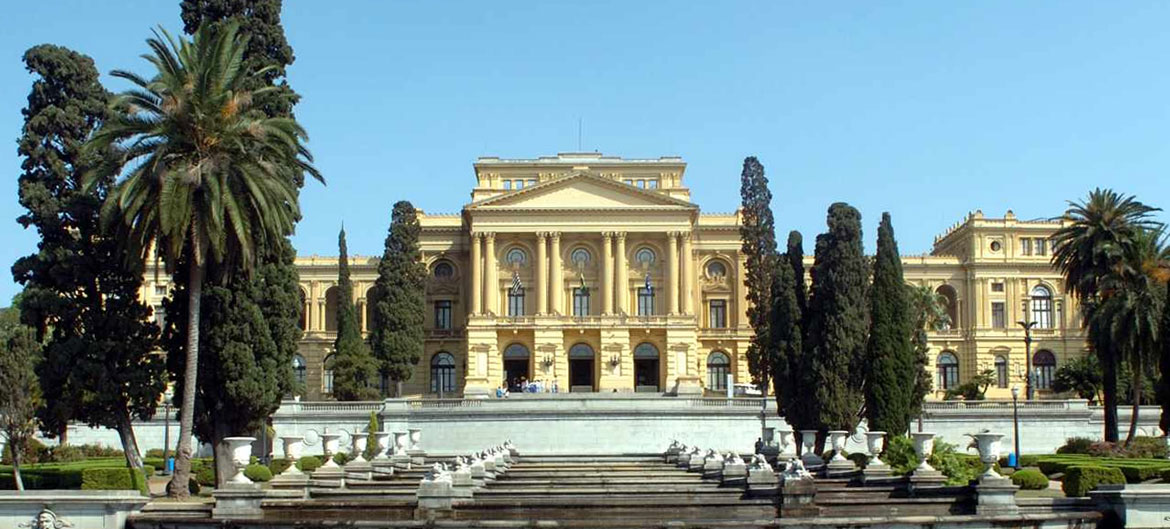
Brazil’s largest university is also its most prestigious. The university features among the world’s best in 42 out of a possible 46 subject areas, including several top-50 positions. The USP welcomes students from all continents, as well, with its International Office that efficiently handles global academic network activities, such as Erasmus Mundus and SMILE (Student Mobility in Latin America, Caribbean, and Europe.)
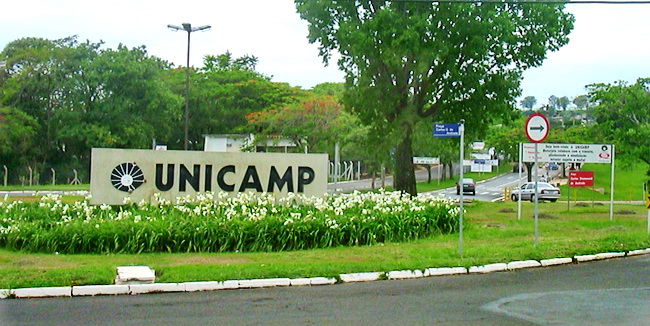
Founded in 1966, Universidade Estadual de Campinas (Unicamp) is considered a ‘younger’ university but also one of the world’s most prestigious. It currently ranks 2nd in Latin America and joint 182nd in the world.
Founded in 1792, Universidade Federal do Rio de Janeiro (UFRJ) is Brazil’s oldest university. It currently ranks 7th in Latin America and 311th in the QS World University Rankings. Universidade Federal Do Rio De Janeiro (UFRJ) has 157 undergraduate and 580 graduate programs to accommodate its 56,000 students and 9,300 staff members. It also has seven museums, including the National Museum of Brazil in which many of UFRJ’s researchers, offices and laboratories are housed. The National Museum offers graduate courses in subjects such as anthropology, sociology, botany, geology, paleontology and zoology. Along with these subjects, the Universidade Federal do Rio de Janeiro offers courses in health sciences, technology, natural and mathematical sciences, legal and economic studies, philosophy and humanities and languages and arts.

Established in 1978, the Universidade Estadual Paulista (UNESP) is ranked 10th in Latin America and in the 491-500 range of the QS World University Rankings for this year. Also known as São Paulo State University, the Universidade Estadual Paulista “Júlio de Mesquita Filho” (UNESP) is a public, multi-campus university that accommodates a combined student body of almost 50,000 across its 23 campuses. UNESP has 33 faculties or institutes, 30 libraries, two hospitals, three animal hospitals and even five farms. It also has several complementary units including the Institute for Theoretical Physics (Instituto de Física Teórica). UNESP offers courses in a wide variety of subjects in the sciences, engineering and technology, humanities, social sciences and arts.
1. Early Childhood Education: Ages 0–5. Preschool is mandatory for children aged 4 and 5.
2. Basic Education: Ages 6–14 (9 years). Mandatory, divided into Early Years (1st–5th grade) and Final Years (6th–9th grade).
3. High School: Ages 15–17. Mandatory 3-year program concluding basic education.
4. Higher Education: Public universities are free and highly prestigious, requiring competitive entrance exams (Vestibular or ENEM). Private institutions are prevalent, with increasing distance-learning opportunities.
1. Business and Management: MBA programs and international business studies are highly regarded, with options available in English.
2. Engineering and Technology: High demand for Civil, Chemical, Mechanical, and Software engineering, driven by Brazil’s industrial and infrastructure sectors.
3. Agriculture and Forestry: As a global producer, programs at schools like UNESP are top-tier, focusing on tropical and sustainable agriculture.
4. Health and Life Sciences: World-renowned programs in Medicine, Odontology (Dentistry), Veterinary science, and Dentistry.
5. Portuguese and Latin American Studies: Intensive language programs combined with culture studies are popular.
When to Apply
1. Academic Year: Divided into two semesters, beginning in March/April and August/September.
2. Application Deadlines: First Semester: Applications generally happen between August and early December, or in the preceding months, Second Semester: Deadlines typically fall between March and mid-July.
3. Visa Application: Should be initiated at least three months before the course start date due to processing times.
How to Apply
1. Select a Program: Search for universities and specific programs. Most universities use a digital platform, such as “SIGA,” to handle admissions.
2. Prepare Documents: Common requirements include a valid passport (valid for six months beyond the course end date), a Lattes CV (standardized Brazilian academic CV), academic transcripts, and a research proposal for graduate studies.
3. Language Requirement: For courses in Portuguese, a CELPE-Bras certification may be required.
4. Undergraduate (PEC-G): The Programa de Estudantes-Convênio de Graduação (PEC-G) offers free education to students from developing countries. Applications typically open around June.
5. Graduate (Master’s/PhD): Apply directly to the university, often requiring a Lattes CV, research proposal, and an online interview.
6. Secure a Visa: Once accepted, obtain an official acceptance letter to apply for a student visa at the Brazilian consulate or embassy.
1. Academic Credentials: A high school diploma (or equivalent) for undergraduate programs, or a bachelor’s degree for Master’s/PhD programs.
2. Entrance Exams (Vestibular): The main selection method, known as Vestibular, is highly competitive and often covers subjects taught in Brazilian schools.
3. ENEM Scores: Many universities now accept the (ENEM) instead of, or in addition to, the Vestibular.
4. Language Proficiency: Portuguese: Required for most programs, typically proven via the CELPE-Bras certificate, English: Sometimes needed for specific graduate programs, often proven through TOEFL or IELTS.
5. Document Validation: All academic documents must be officially translated into Portuguese and validated by a Brazilian consulate.
6. Statement of Purpose/CV: Graduate programs often require a motivational letter and CV.
1. Passport
2. Academic Transcripts & Diplomas
3. Curriculum Vitae (CV)
4. Letter of Motivation/Purpose
5. Research Proposal
6. Letters of Recommendation
7. Proof of Language Proficiency
8. Passport-sized Photographs
1. GCUB International Mobility Program (GCUB-Mob): Offers fully funded opportunities for Master’s and PhD degrees at over 55 top Brazilian universities, supported by the Brazilian Ministry of Foreign Affairs.
2. OAS-GCUB Scholarship Program: A partnership between the Organization of American States and the Coimbra Group of Brazilian Universities (GCUB) for citizens of OAS member states.
3. PEC-G Undergraduate Scholarships: The Program for Undergraduate Students (PEC-G) provides opportunities for students from developing countries to complete undergraduate studies in Brazil.
4. TWAS Fellowships: The World Academy of Sciences (TWAS) provides fellowships for PhD and postdoctoral research for scientists from developing countries.
5. Erasmus+ Mobility Grants: European students may qualify for Erasmus+ grants to study at Brazilian institutions.
Popular Part-Time Job Options
1. English Teaching: High demand for English teachers in language schools or private, in-person/online lessons.
2. Internships: Academic internships (internships) are common for university students, particularly in the final two years of study.
3. University Roles: Research assistantships or tutoring within university departments.
4. Service & Retail: Customer service, sales, and administrative support roles in cities like São Paulo.
5. Remote Jobs: Virtual assistant roles, translation, or content writing.
Tuition Fees
1. Public Universities: Tuition is free. However, some may charge small administrative fees.
2. Private Universities: Fees vary by course, with Medical, Engineering, and Business degrees being the most expensive.
3. International Students: While tuition is free at public schools, international students often pay tuition (around $20,000–$50,000/year) at certain top-tier private or specific graduate programs.
Cost of Living (Per Month)
1. Accommodation: A 1-bedroom apartment in the city center typically costs roughly R$1,800 per month, while those outside the center are around R$1,200.
2. Utilities: Internet costs between R$75–R$110 (~$15–$22).
3. Food/Groceries: A meal at an inexpensive restaurant is approximately R$30.
4. Transportation: Local bus tickets often cost R$3 to R$4.50.
5. Health Insurance: While public healthcare (SUS) is free, students often opt for private health insurance, which can cost R$200-500 annually.
1. Medicine/Physician
2. Engineering (Petrochemical & Oil/Gas)
3. Technology Specialists (IT & Software)
4. Corporate Lawyer
5. Financial Analyst/Banking
6. Management Consultant
7. Marketing & Advertising Specialist
8. Agribusiness Specialist
9. Multinational Corporation Staff
10. Digital Nomad/Remote Worker
Here are the top 5 aspects of the student lifestyle in Brazil:
1. Vibrant Social Scene & “Saudade”: Brazilian culture is warm and social, with students often engaging in intense friendships, lively weekend gatherings, and exploring local cuisine like açaí and churrasco.
2. Affordable Living & Housing: Students can live comfortably on around USD $400 a month. Options like room with meals offer affordable accommodation, often costing between R$350-800 monthly.
3. Renowned Public Universities & Research: Many top institutions are public, tuition-free, and focus on practical research in fields like medicine, agriculture, and engineering.
4. Diverse City Life & Travel: Students in major hubs like São Paulo and Rio de Janeiro experience bustling urban life, while others enjoy nature in university towns like Campinas or Porto Alegre.
5. Language Immersion & Cultural Exchange: Learning Portuguese is central to the experience, with locals often helpful, creating an immersive, friendly environment for international students.